

Lady of the Earth. com
THE TAROT
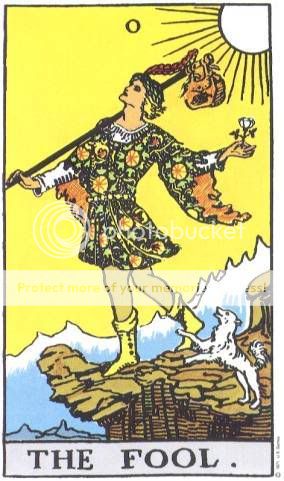
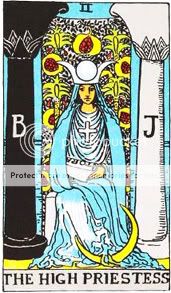
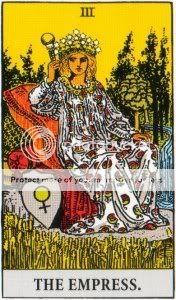
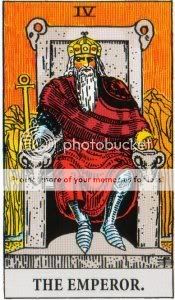
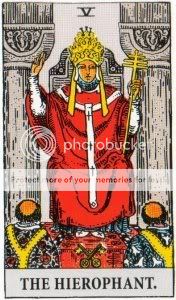
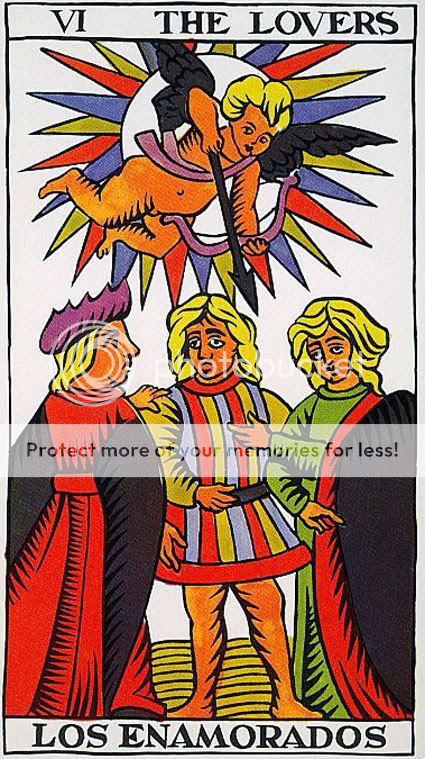
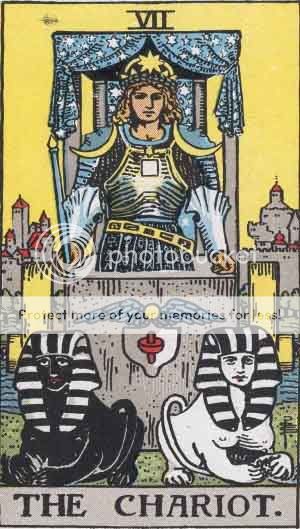
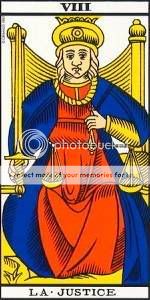
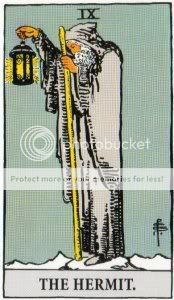
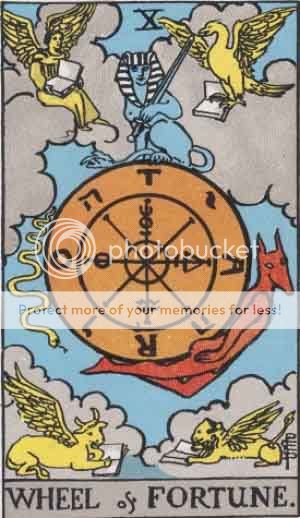
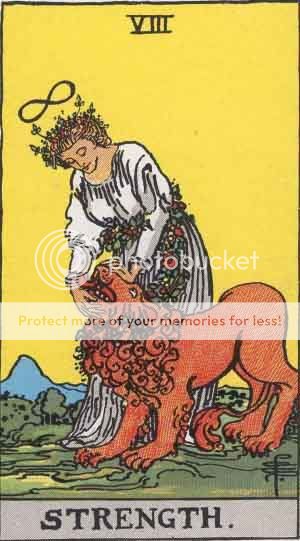
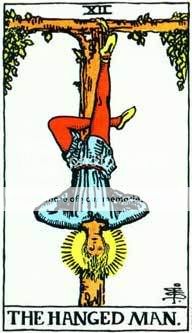
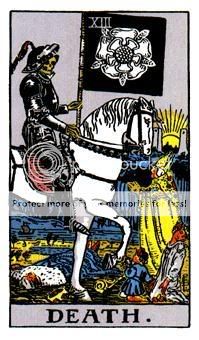
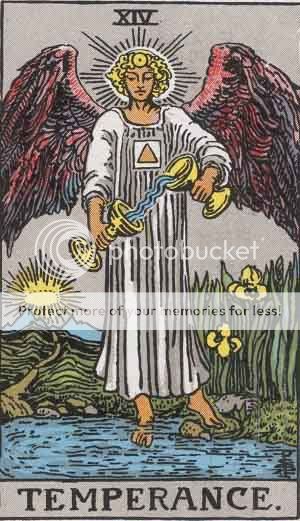
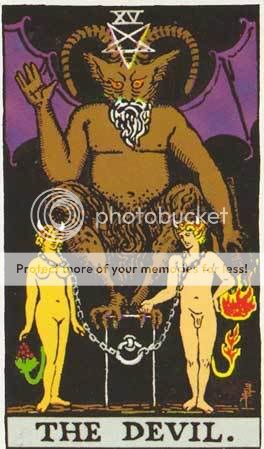
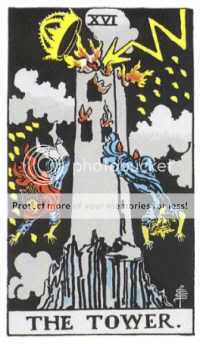
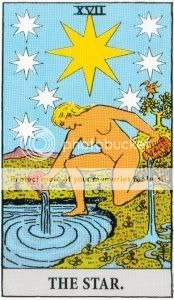
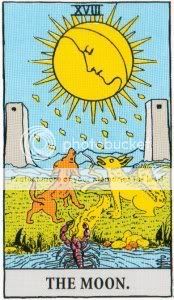
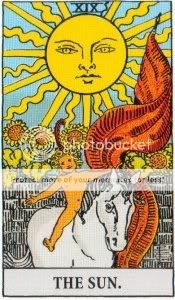
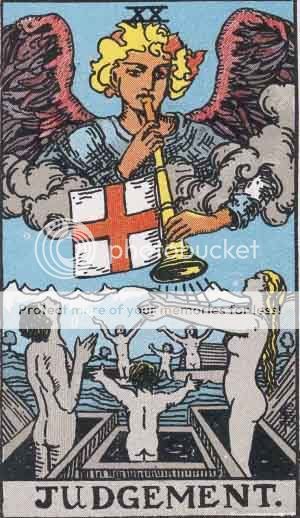
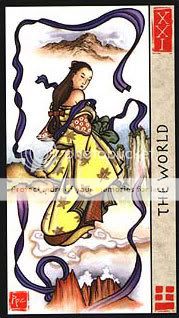
The TAROT is made up of 78 cards. The MAJOR ARCANA, or trumps, comprises 21 of the cards. They bear allegorical images and titles. They symbolize "the big picture". They are in numerical order as a journey through life starting with the fool and ending with the world. The rest of the deck is made up of the MINOR ARCANA. They comprise four suits: the swords, wands (staves or batons), cups, and pentacles (coins). They are made up basically like a regular card deck. Each suit has four court cards: princess (traditionally page), prince (traditionally knight), queen, and king. The numbered cards are ACE (1) through 10. The minor arcana focuses on ourselves as we exist from day to day. They deal with our personal lives, our ambitions, hopes, fears, and relations to each other. The
major arcana has implications of the individual and the minor focuses more on the world at large. The major and minor arcana both work together to form a whole, or a continuum. Below is a list of the traditional cards---both the major and minor arcana.
TAROT READING
Now that you have your first Tarot deck, what do you do next? Hopefully, you chose the cards yourself, so that you have had the chance to at least see other decks. Perhaps had the experience that most Tarot readers have had: the deck chose you! I've also been told that it actually may work better if someone else chooses the deck for you and gives it to you as a gift. Now that you have your special deck, you may have looked at the instruction book and found so much information there that you're a bit confused and overwhelmed. Don't worry!! You don't need to memorize the entire book. A reading comes from within you and the cards are just a tool to help guide you.
In a nutshell, notice everything on the card, for each item has some significance. After you have studied each card, write down your impressions. Give each card its own page in your notebook No fair peeking at the book, rely on yourself and the knowledge that you already have. Answer these questions on the page:
My impression of the card is______.
What does each detail mean to me?
Overall my interpretation of the card is______.
You may think that it is a waste of time to be writing this stuff down when you have a book right in front of you, but believe me ,if you really want to learn and remember all the cards in a easy way, this exercise is something you should do. This will also help build the confidence you need to do a reading successfully, without the book strapped to your fingertips. Many querents know when their reader has just memorized the book, and you would feel rather unknowledgable if you ever read for another reader! Along with this is the fact that once you have read someone else's interpretation of the cards, it will forever affect how you see them. So it is best to rely on yourself first, and add the book later.
Now that you have carefully studied each card and completed writing your
impressions, you may open the book. Did you identify at least some of the
important elements? Most likely you did! Does the book show you anything that makes you say, "Oh yeah, I didn't see that, but it makes sense." If so, include this in your personal notebook. Now, don't get all in a dither if you seemed to be off track with some of the cards. The important thing to remember is that you are the interpreter, and what the card reveals to you is the key. Ask 100 different readers for their interpretation and chances are you will get 100 different responses, (not
totally different, just different variations) unless of course they all memorized the same book and deck. But that will not be true in your case!
Now before we go on, make sure you have the right deck for you. If you did not get any impressions at all from the Major Arcana cards this is NOT the right deck for you! Choose another deck, and repeat the above exercise with the it. Your religious background may play a role in how the cards "speak" to you. There are some decks that are clearly Christian, Pagan, Feminist, etc. If your religion, political background or philosophy conflict with your deck design, you will need to get another deck so that you feel more in tune and comfortable with your Tarot cards.
I think I have given you enough homework for now! You have only just begun your journey toward being a successful and enlightened reader. There is still more work ahead of you. I will leave you with a bright light to be your guide, a strong hand to push your pen, and a pat on the back for applying the true effort it takes to become a Tarologist!
The TAROT is made up of 78 cards. The MAJOR ARCANA, or trumps, comprises 21 of the cards. They bear allegorical images and titles. They symbolize "the big picture". They are in numerical order as a journey through life starting with the fool and ending with the world. The rest of the deck is made up of the MINOR ARCANA. They comprise four suits: the swords, wands (staves or batons), cups, and pentacles (coins). They are made up basically like a regular card deck. Each suit has four court cards: princess (traditionally page), prince (traditionally knight), queen, and king. The numbered cards are ACE (1) through 10. The minor arcana focuses on ourselves as we exist from day to day. They deal with our personal lives, our ambitions, hopes, fears, and relations to each other. The
major arcana has implications of the individual and the minor focuses more on the world at large. The major and minor arcana both work together to form a whole, or a continuum. Below is a list of the traditional cards---both the major and minor arcana.
TAROT READING
Now that you have your first Tarot deck, what do you do next? Hopefully, you chose the cards yourself, so that you have had the chance to at least see other decks. Perhaps had the experience that most Tarot readers have had: the deck chose you! I've also been told that it actually may work better if someone else chooses the deck for you and gives it to you as a gift. Now that you have your special deck, you may have looked at the instruction book and found so much information there that you're a bit confused and overwhelmed. Don't worry!! You don't need to memorize the entire book. A reading comes from within you and the cards are just a tool to help guide you.
In a nutshell, notice everything on the card, for each item has some significance. After you have studied each card, write down your impressions. Give each card its own page in your notebook No fair peeking at the book, rely on yourself and the knowledge that you already have. Answer these questions on the page:
My impression of the card is______.
What does each detail mean to me?
Overall my interpretation of the card is______.
You may think that it is a waste of time to be writing this stuff down when you have a book right in front of you, but believe me ,if you really want to learn and remember all the cards in a easy way, this exercise is something you should do. This will also help build the confidence you need to do a reading successfully, without the book strapped to your fingertips. Many querents know when their reader has just memorized the book, and you would feel rather unknowledgable if you ever read for another reader! Along with this is the fact that once you have read someone else's interpretation of the cards, it will forever affect how you see them. So it is best to rely on yourself first, and add the book later.
Now that you have carefully studied each card and completed writing your
impressions, you may open the book. Did you identify at least some of the
important elements? Most likely you did! Does the book show you anything that makes you say, "Oh yeah, I didn't see that, but it makes sense." If so, include this in your personal notebook. Now, don't get all in a dither if you seemed to be off track with some of the cards. The important thing to remember is that you are the interpreter, and what the card reveals to you is the key. Ask 100 different readers for their interpretation and chances are you will get 100 different responses, (not
totally different, just different variations) unless of course they all memorized the same book and deck. But that will not be true in your case!
Now before we go on, make sure you have the right deck for you. If you did not get any impressions at all from the Major Arcana cards this is NOT the right deck for you! Choose another deck, and repeat the above exercise with the it. Your religious background may play a role in how the cards "speak" to you. There are some decks that are clearly Christian, Pagan, Feminist, etc. If your religion, political background or philosophy conflict with your deck design, you will need to get another deck so that you feel more in tune and comfortable with your Tarot cards.
I think I have given you enough homework for now! You have only just begun your journey toward being a successful and enlightened reader. There is still more work ahead of you. I will leave you with a bright light to be your guide, a strong hand to push your pen, and a pat on the back for applying the true effort it takes to become a Tarologist!