


Most people’s understanding of the Chinese Zodiac Calendar doesn't extend beyond what they see on the paper placemats that cover the tables of their favorite Chinese restaurants. But there really is much more to know about this doctrine that dates back more than 2,000 years.
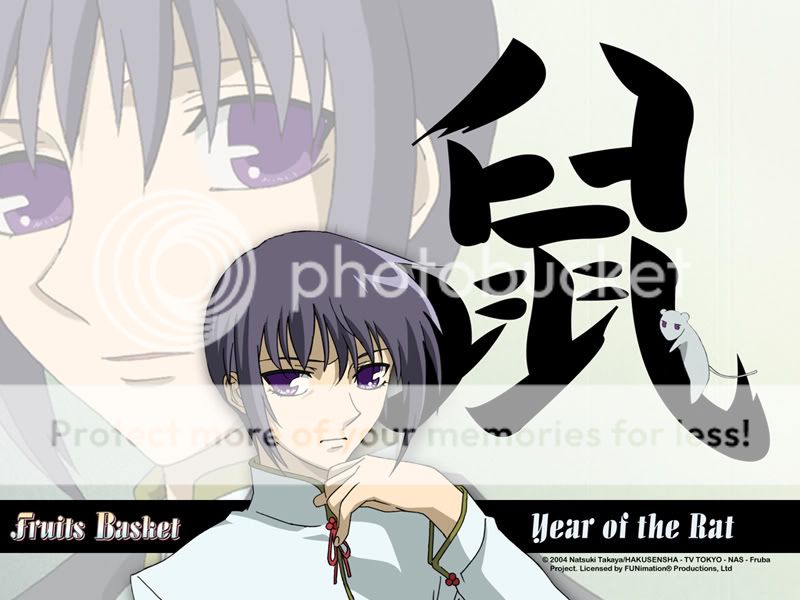
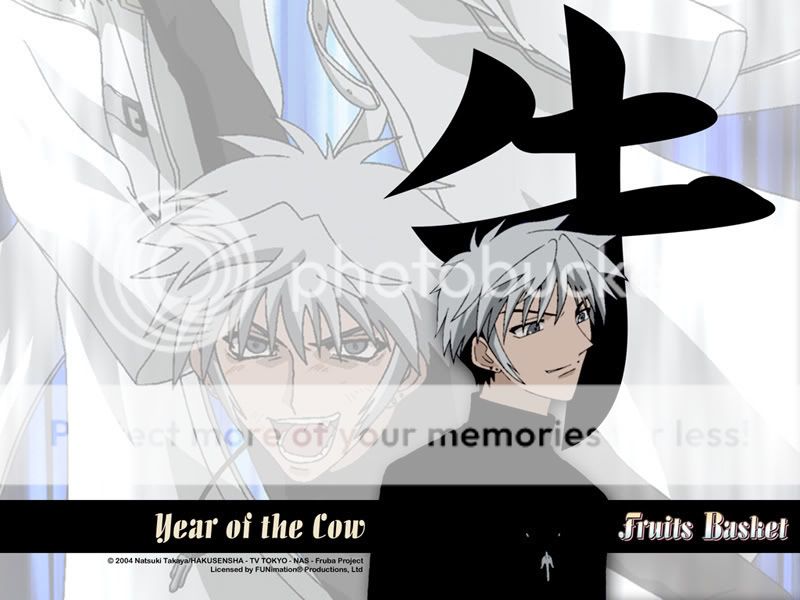
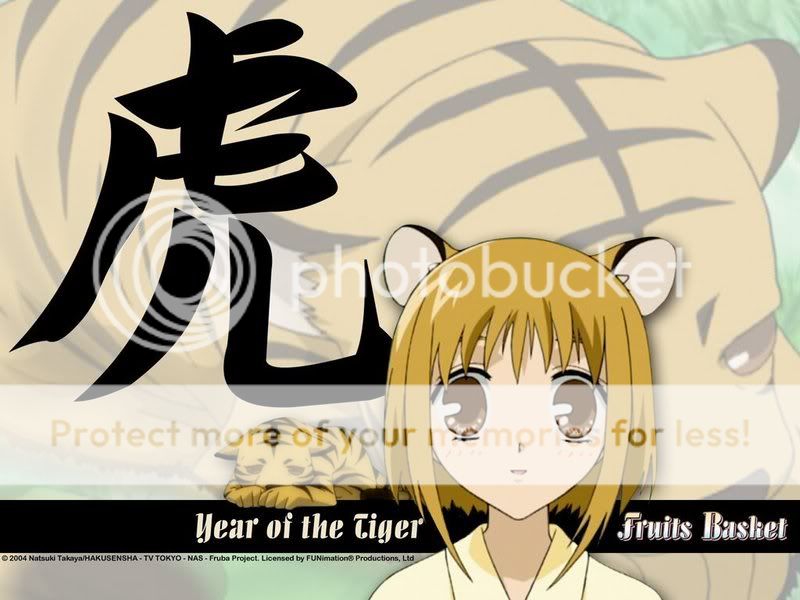
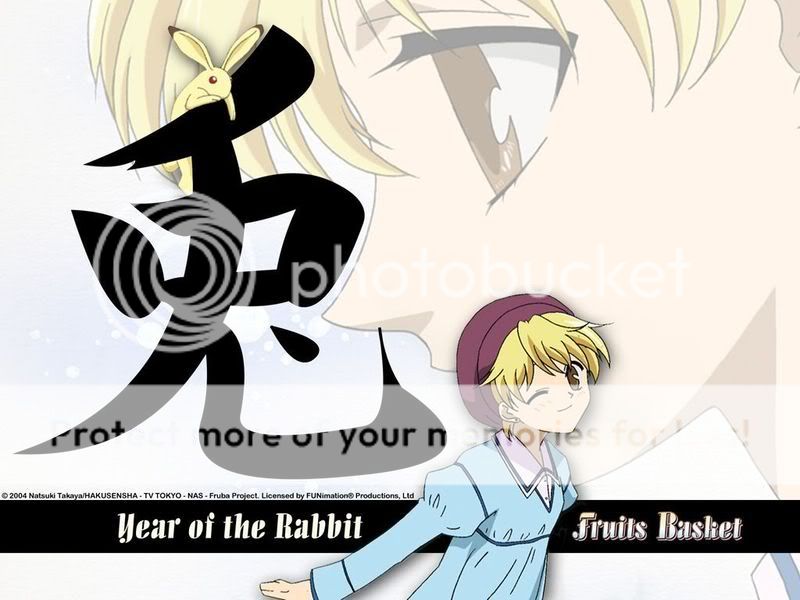
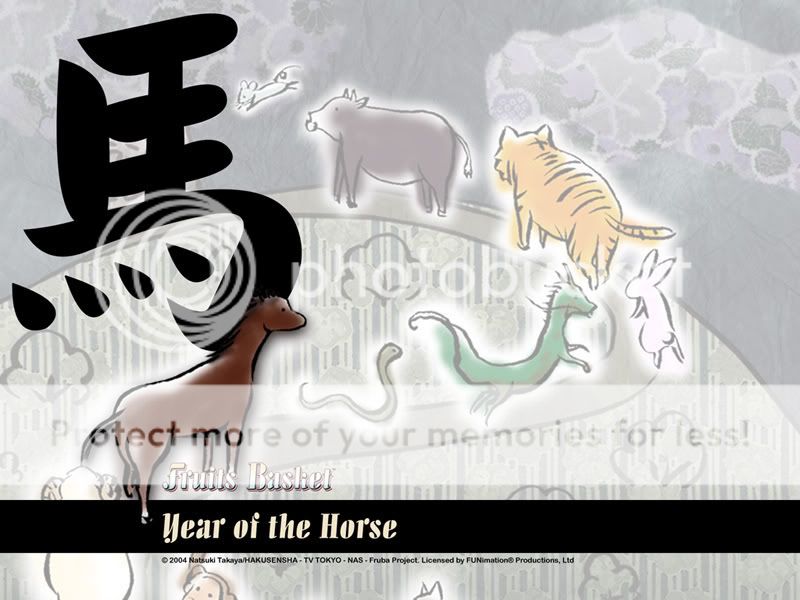
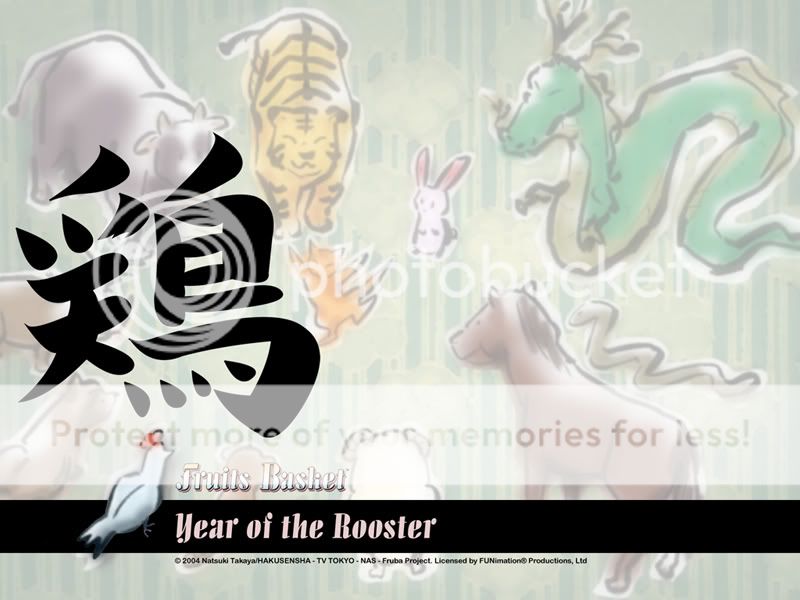
Most Chinese Zodiac Calendar discussions focus only on the 12 animals. According to legend, these were the animals that appeared before Buddha (or the Jade Emperor, depending on the story) in response to an invitation. The 12 animals of the Chinese Zodiac represent the order of each animal’s arrival. The legends depicting each animal’s journey differ slightly, but the order that prevails is as follows: rat, ox, tiger, rabbit, dragon, snake, horse, ram, monkey, rooster, dog and pig. The basis of the Chinese Zodiac is represented by these 12 animals on a rotating 12-year cycle.
But here’s what people don’t learn from most Chinese Zodiac Calendar discussions. In addition to the 12 animals, the Chinese Zodiac involves 5 elements: metal, wood, water, fire and Earth. These elements are associated with the 5 major planets Venus, Jupiter, Mercury, Mars, and Saturn, respectively. The combinations presented by these 5 elements and the 12 animals actually combine to create a 60-year cycle. This cycle, along with Yin and Yang, directions, the positions of the sun and moon, and a person’s date and time of birth are all used to help foresee a person’s future.
Something else that people don’t understand from most Chinese Zodiac overviews is that it is based on the Chinese New Year which does not begin on January 1. The date varies but typically is towards the end of January. Therefore, when determining the correct animal, most people born during the month of January should be included as part of the previous year. Also, the 12 phases that make up the Chinese year are lunar months, coinciding with the appearance of each New Moon.
While the major players in the Chinese Zodiac are the 12 animals, it is the various combinations of animals, yin and yang, birth date and time, and the elements that help establish a person’s inner and outer self. This combination is also what helps determine a person’s personality traits, compatibility, and his good (or bad) fortune. To fully understand the Chinese Zodiac, it’s important to understand the relationship between all the elements, something most people don’t get from the typical Chinese Zodiac Calendar explanation.
The History of the Chinese Zodiac
The exact origins of the twelve animal system remain unknown. However, legend has it that, once upon a time, the Jade King was bored, having nothing to do in Heaven. He did not see what was happening on Earth, as he had servants satiating his every wish and desire. He decided that he wanted to see the animals that inhabited the earth so he sent word to his advisors to bring him twelve animals (which he considered to be a good sampling.) The advisor first sent an invitation to the Rat, telling him to also bring the cat. The Rat's jealousy prevented the cat from actually receiving the invitation.
Further invitations were sent on to the Ox, the Tiger, the Rabbit, the Dragon, the Snake, the Horse, the Ram, the Monkey, the Rooster and the Dog, asking for their presence at the palace the following day. When they lined up in front of the king, he found that they numbered only eleven, instead of twelve as he had requested. The king sent his servant down to Earth to retrieve a twelfth animal. The servant ran into a man carrying a Pig, and he hastily grabbed it and delivered it to the king.
The animals stood in front of the king in no particular order. The Rat, being smaller than the rest, hopped on the Ox's back and proceeded to play the flute. The king was very impressed by this display. He gave the Rat first place. Second place was given to the Ox for its good sportsmanship, and third was given to the Tiger, who appeared so courageous. The Rabbit was given fourth place, the Dragon fifth, the Snake sixth, the Horse seventh, the Ram eighth, the Monkey ninth, the Rooster tenth and the Dog eleventh. By default, and due to the king's just nature, twelfth place went to the Pig. After the ceremony concluded, the cat (who missed the invitation) begged the king to reconsider. He was told it was too late.
Another version of this legend is that the rat used his brain rather than his brawn. It hitched a ride on what it perceived was the mightiest swimmer. Just before the buffalo reached the shore, the rat jumped off the buffalo’s back and crossed the finish line before the buffalo, putting the rat in first place.
The buffalo came in second and as promised in the legends and mythology, was the second animal listed on the Chinese Zodiac. The tiger, also being strong, came in third, followed by the rabbit that jumped his way across and was helped during the last stretch by the dragon. A snake hid in the hoof of the horse which is how it managed to make it across the river. At the last minute the snake jumped out and scared the horse into seventh place.
The sheep, monkey and rooster helped one another across and earned their spots on the calendar as well. The dog made it too, but decided a bath was more important than the position which is why it came in eleventh. Finally, the pig appeared and is listed last. According to Chinese Zodiac legends and mythology, the pig feasted and rested half-way through the race, but made it across guaranteeing its position.