|
|
|
|
|
|
|
|
|
 Posted: Wed Jul 01, 2009 8:37 pm Posted: Wed Jul 01, 2009 8:37 pm
This is the place to learn about the different breeds and types of Livestock!
If you plan on submitting a breed in please include the following:
1. A Picture of you're breed
2. Purpose of this breed
3. A summary of breed characteristics and what makes this breed unique and different from other breeds of its species. The following species of animals may be included in this topic:
Cattle
Sheep
Goats
Hogs
Rabbits
Poultry
HorsesHave fun~
|
 |
|
|
|
|
|
|
|
|
|
|
|
|
|
Posted: Thu Apr 29, 2010 2:45 pm
Boer (Goat) 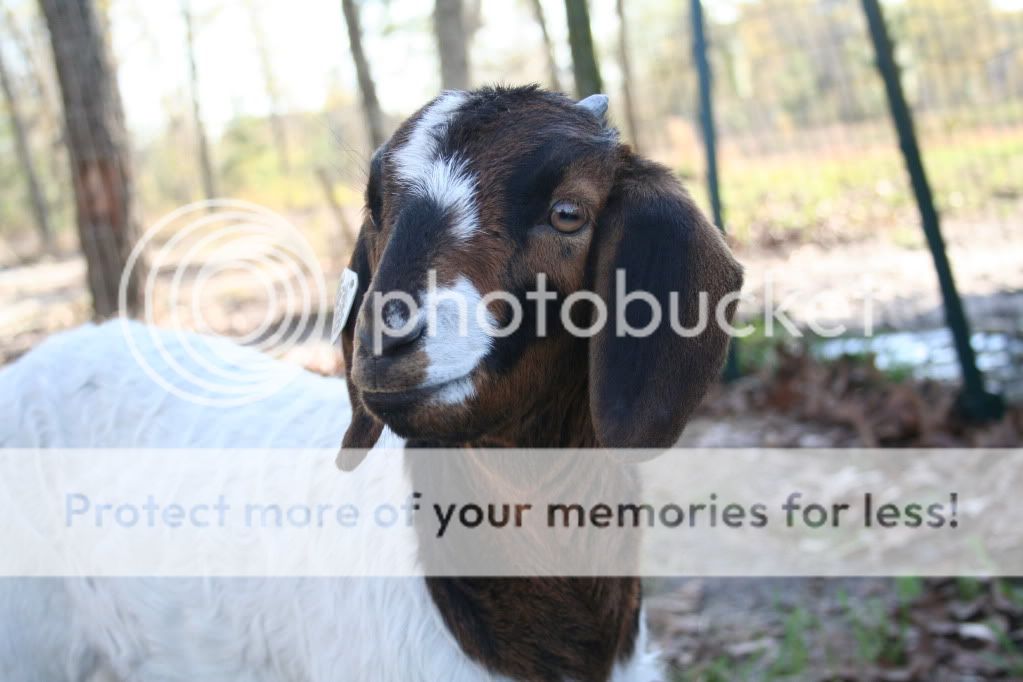 The Boer is most commonly noticed because of its unique markings and its superior meat production. They come in three main colors. Traditional, Black Traditional, and paint. Traditional is a white with a brown or red colored head. Black traditional is white with a black head. Paint is color, either brown or black in splotches or all over the body. The picture above is a traditional with a unique color on the head, that is very rarely seen in boers. Boers also always have drooped ears that are very large. Boers also originated in South Africa. They were only recently inported to the United States, in 1993, but easily took over many commercial meat herds.
|
|
|
|
|
|
|
|
|
|
|
|
|
|
|
|
|
|
Posted: Thu Aug 26, 2010 4:37 pm
Thoroughbred Horse  Thoroughbreds are built for speed and are primarily used for racing. They are also popular in English disciplines, such as foxhunting, showjumping, and dressage for their superior athletic abilities. They are characterized by their long legs, refined heads, and deep chests, which allow for greater lung capacity. They're also hot-blooded, meaning they tend to be more spirited than other warm or cold-blooded breeds. Thoroughbreds were developed in England during the 1600's and 1700's, and all of them can trace their ancestry back to one of three founding Arabian stallions: the Godolphin Barb, the Byerly Turk, and the Darley Arabian.
|
|
|
|
|
|
|
|
|
|
|
|
|
|
|
Posted: Fri Aug 27, 2010 3:04 pm
Shire horse  Shires are a British draft horse that comes in many colors, mainly black, bay and grey, often with socks and/or blazes and feathers on their feet. They're a tall breed that can be 16-18 hands tall on average. They are capable of pulling incredibly heavy things (two Shires have been recorded pulling 45 tons) and were generally used to pull carts and help with farm work. Today they are often used for forestry work and leisure riding. They have taken the world record numerous times both for largest overall horse and tallest horse. Today they are considered a rare breed, which is sad considering their easy going temperament.
|
|
|
|
|
|
|
|
|
|
|
|
|
|
|
|
|
|
Posted: Fri Aug 27, 2010 6:16 pm
LaMancha Dairy Goat 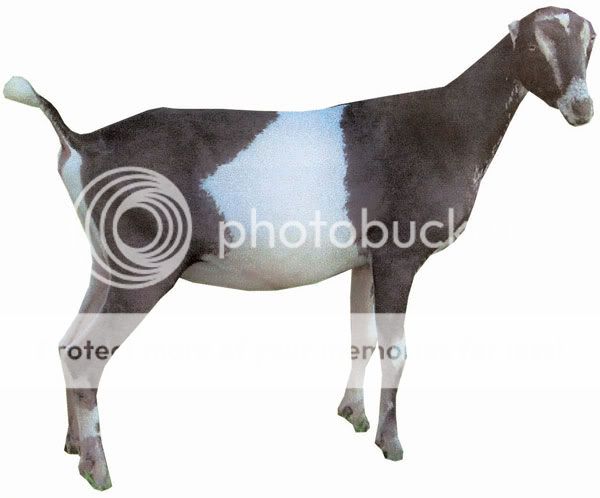 A breed of goat used for dairy. Most commonly recognized by it's lack of ear flaps. Noted by many owners as being one of the sweetest and clam breeds of goats. The breed originated in California from crossing earless spainish, and swiss dairy breeds. The only breed to originate in the United States. The LaMancha is of average size for a dairy goat. There are two ear variations. The longer should only be bred to the shorter variation because of tendency to throw long eared kids.
|
|
|
|
|
|
|
|
|
|
|
|
|
|
|
Posted: Sat Aug 28, 2010 11:28 am
ISA brown chicken  ISA brown is a hybrid sex-link chicken. Sex-link meaning a cross-bred chicken whose color at hatching is differentiated by sex, making sexing chicks a much easier process. They are a cross between Rhode Island Red and Rhode Island White. ISAs are a hybrid and not a true breed, though they have gained such popularity that most poultry fanciers consider ISAs a breed. ISA stands for Institute of Animal Selection and the hybrid was developed in 1978.  ISA browns lay about 300 eggs a year in the first year of laying. They make a friendly pet. They begin to lay when they are between 18-24 weeks old. 
|
|
|
|
|
|
|
|
|
|
|
|
|
|
|
|
|
|
Posted: Sat Aug 28, 2010 6:28 pm
Gypsy Vanner Horse Also called Gypsy horse, Gypsy Cob, Colored Cob, Irish Cob or Tinker horse. Most Gypsy Vanners have tobiano color patterns, which is the same pattern usually seen in Pintos, generally in brown or black with white. They have draft-type bodies and lots of feathering on their legs.  They're believed to be a combination of Shires, Clydes, Friesians and Dales Ponies, originating from Ireland. They range from 14-17 hands high. They're well known for their sweet, affectionate nature and abundant energy. Originally, Gypsy Vanners were bred to pull Romany wagons. They are now used for riding, dressage, driving and breeding drum horses, which are a combination of a Gypsy Vanner and any type of draft horse. One of my favorite things about the Gypsy Vanners is their tendency to have one or both blue eyes. 
|
|
|
|
|
|
|
|
|
|
|
|
|
|
|
Posted: Sun Aug 29, 2010 2:20 pm
American Cream Draft Horse  The only draft breed native to the United States. American Creams are a critically endangered breed, with just over 400 animals registered with the ACDHA. The breed began in the early 1900's with one foundation mare, Old Granny, who passed to her offspring the trademark pink skin, cream-colored coats, and amber eyes that define the American Cream as we know it today. They are a medium-heavy breed, and are used mainly for driving, but are very versatile and also make good riding horses. Like most other draft breeds, they are renowned for their exceptionally docile and gentle personalities.
|
|
|
|
|
|
|
|
|
|
|
|
|
|
|
|
Keiko-dot-Moon Vice Captain
|
Posted: Tue Aug 31, 2010 6:11 pm
The Pekin Duck  A breed of domesticated duck used primarily for egg and meat production. History: It was bred from the Mallard in China. The ancestors of those ducks originated from the canals which linked waterways in Nanjing and originally had small bodies and black feathers. With the relocation of the Chinese capital to Beijing, supply barge traffic increased in the area which would often spill grain during trips the ducks fed. Over time, the ducks slowly increased in size and grew white feathers. By the Five Dynasties, the new species of duck had been domesticated by Chinese farmers. Weight: 8 to 11lbs Lifespan: 9 to 12 years (if not eaten) Production: can lay an average of 200 eggs a year; not very broody; florescent lights have been heard to stimulate egg production Male: drake Female: Duck Info from: Wikipedia.com Red arrow: adult Orange Arrow: duckling Blue Arrow: Great example of a healthy Pekin specimen
|
|
|
|
|
|
|
|
|
|
|
|
|
|
|
Posted: Tue Aug 31, 2010 6:44 pm
Friesian horse  Friesians originate from the Netherlands. Originally they were bred as war horses and were used through the middle ages to carry knights into battle. However the breed dwindled with the knights and they were replaced by heavier drafts. Thankfully, now their numbers are increasing again as this horse looks beautiful under saddle or harness and has recently been introduced into dressage. Friesians are easily recognizable by their black coats, their long, thick manes and their feathers. Their height varies from 14-17 hands at the withers. They are a willing, energetic horse, very sweet and gentle and quite patient. They have a lot of elegance and are a very showy horse.
|
|
|
|
|
|
|
|
|
|
|
|
|
|
|
|
|
|
Posted: Thu Sep 02, 2010 1:24 am
Clydesdale horse  Clydes are a heavy draft horse that originates from Clydesdale, Scotland. The breed is thought to be about 300 years old. They have mostly been used for pulling heavy carts and were a great help pulling horse-drawn farm implements. They're still used for driving today. Clydes are currently an 'at risk' breed, having gained more numbers, they are no longer listed as 'vulnerable'.  Clydesdales are a surprisingly graceful draft, at 16-18 hands and about 2000lbs. They have an elegant face, a long, arched neck, feathers and a deep chest. The shoulders are sloped and their hindquarters rounded. They are different from their close relatives, the Shire horse, as their withers are very well defined and their colors are generally bay, brown or black, with white socks and/or a blaze. Their hooves are about twice the size of that of a light riding horse.
|
|
|
|
|
|
|
|
|
|
|
|
|
|
|
Posted: Sun Sep 12, 2010 6:42 pm
The Fainting Goat  Also called Myotonic goat, tennessee meat goat, nervous goat, stiff-leg goat, wooden-leg goat and tennesee scare goat. The fainting goat is a domestic goat who suffers from a hereditary genetic disorder called myotonia congenita. When startled, this breed will have their muscles freeze for about ten seconds. The younger goats will fall over, which is why they're called fainting goats. Older goats learn to spread their legs and run stiff-legged, or lean against something.  They're smaller than standard goat breeds, generally between 17-25 inches tall and between 60-150lbs. Their hair can be long or short and some of them produce a lot of cashmere during the winter. Common coloring is black and white, but most possible goat colors are found in Fainting goats. Their eyes are prominent, one of their most distinguishing features. They are easier to care for than larger meat goats, which makes them good for smaller farms. They also make great pets. Here's a video: http://www.youtube.com/watch?v=f_3Utmj4RPU
|
|
|
|
|
|
|
|
|
|
|
|
|
|
|
|
|
|
|