Welcome to Gaia! ::

Japanese Studies

Back to Guilds

For those who not only want to learn the language, but share in its culture. 

Tags: Japan, Japanese, Culture, Anime, Manga 

Reply Lessons
Lesson 2: Katakana

Quick Reply

Enter both words below, separated by a space:

Can't read the text? Click here

Submit

OmniaVanitus
Captain

9,400 Points
  • Nudist Colony 200
  • The Perfect Setup 150
  • Risky Lifestyle 100
PostPosted: Wed Oct 14, 2009 9:00 pm


Post #1: Katakana

Japanese children learn katakana after they have learned hiragana, for the simple reason that katakana has limited uses. However, learning this syllabary is still important and its study should not be done last minute; start studying the table in post #2 as soon as possible.

Katakana Uses

Katakana is mainly used to write foreign words, which have been previously adapted to the Japanese language. About 11% of Japanese words are foreign loan words and most of which come from the English language. For example:

• Computer (English) becomes コンピュータ or konpyūta
• Part-time work (from the German word Arbeit) becomes アルバイト or arubaito
• Prêt-à-porter (French) becomes プレタポルテ or puretaporute
• Spaghetti (Italian) becomes スパゲッチイ or supagetti
• Bread (Portuguese) becomes パン or pan

Katakana is also used to put emphasis on words, similar to italics or quotation marks, and is frequently used to write onomatopoeia.

Translating Into Japanese

All non-Japanese names (and non-Chinese names) of people and places, including names of cities and geographic areas, must be written in katakana. The first step is to transcribe the word we want to write into Japanese phonetics. However, the main problem with doing so is that Japanese has no individual consonant sounds (with the exception of the n). So, for each consonant pronounced on its own in the original language, we will add a “u” because the Japanese “u” has a soft pronunciation. The only exceptions are the “t” and “d” where we will add an “o”. For instance:

• Marc would become Maruku マルク
• Sandra would become Sandora サンドラ
• Alfred would become Arufureddo アルフレッド (keep in mind, the “l” doesn’t exist in the Japanese language and must be replaced with an “r”)
PostPosted: Thu Oct 15, 2009 1:28 pm


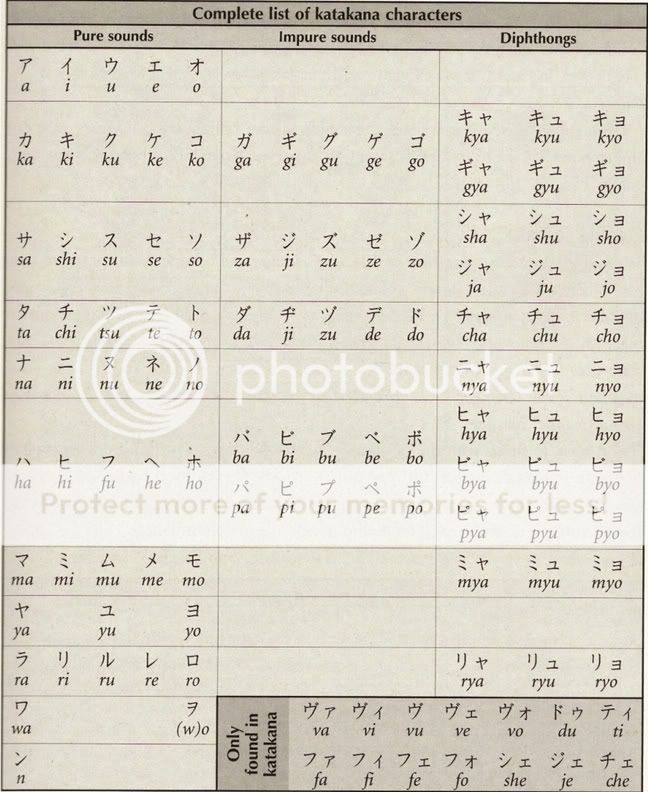
Post #2: The Complete List of Katakana Characters

User Image

OmniaVanitus
Captain

9,400 Points
  • Nudist Colony 200
  • The Perfect Setup 150
  • Risky Lifestyle 100

OmniaVanitus
Captain

9,400 Points
  • Nudist Colony 200
  • The Perfect Setup 150
  • Risky Lifestyle 100
PostPosted: Thu Oct 15, 2009 1:31 pm


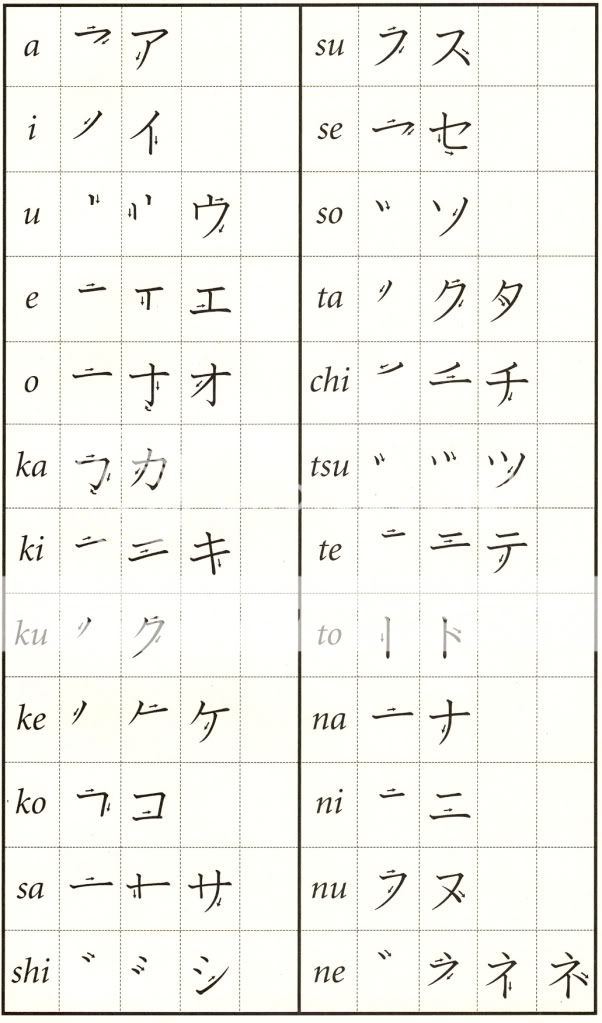
Post #3: Katakana Writing Chart Part 1

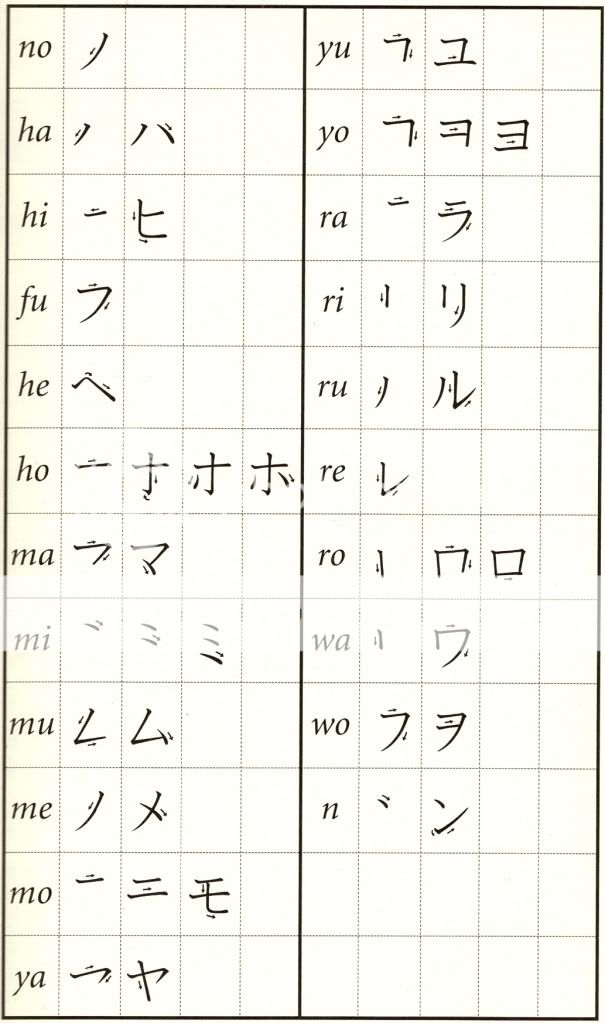
As with hirigana, there is a certain brush stroke order that should be followed when writing.

User Image
PostPosted: Thu Oct 15, 2009 1:32 pm


Post #4: Katakana Writing Chart Part 2

User Image

OmniaVanitus
Captain

9,400 Points
  • Nudist Colony 200
  • The Perfect Setup 150
  • Risky Lifestyle 100

OmniaVanitus
Captain

9,400 Points
  • Nudist Colony 200
  • The Perfect Setup 150
  • Risky Lifestyle 100
PostPosted: Thu Oct 15, 2009 1:40 pm


Post #5: Examples

In manga, onomatopoetic sounds which are not voices or screams are almost always written in katakana. For instance, blows, explosions, motor noises, etc... belong to this category.

This is rather similar to the 1960s Batman series with Adam West (who now does the voice of Adam West on the Family Guy). If you aren't familiar with this show, here is a little clip for you.

1960s Batman Fight Scene

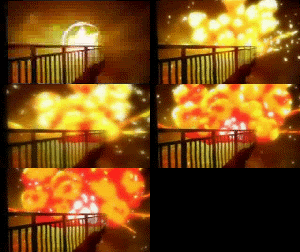
Example 1: Onomatopoeia: Explosion

User Image
ドカン
dokan
(Onomatopoeia for an explosion.)

Here, were we would say "boom," the Japanese say ドカン dokan.

Example 2: Blow
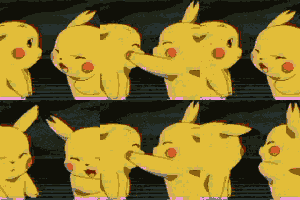
User Image
ズガ
zuga
(Onomatopoeia for a blow or punch.)

And here, were we would say "smack" (or the Batman's "kapow"), the Japanese would say ズガ zuga.

Example 3: Book Titles and Names of Magazines

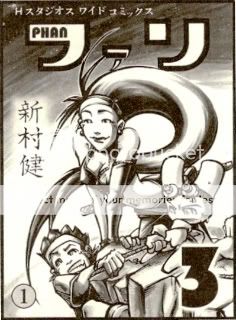
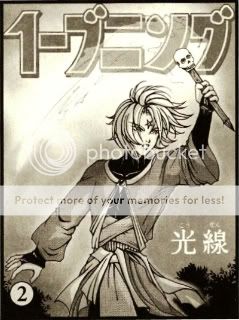
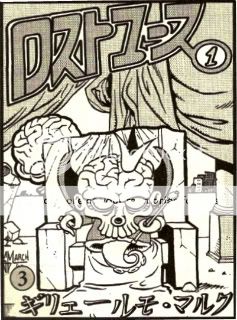
Below are three manga and magazine covers where katakana is used. Using English words in titles are not uncommon, especially those aimed at young readers. In Japan, English is used as an attention getter and is considered modern and "cool."
User Image
ファン
fan
Phan

Phan is a non-Japanese proper name, and is there for written in katakana.
User Image
イーブニング
iibuningu
Evening

In this example, and the one below, we have words taken directly from the English language.
User Image
ロストユース
rosuto yūso
Lost Youth

As you can see, the English words tend to get twisted when they are being transcribed into katakana, so much so it may be rather difficult to recognize them. So, don't worry if you have a hard time figuring out the original English word when you read a katakana transcription. With time, you will get used to the "katakanization" and eventually you be able to recognize the foreign words transcribed into katakana, and you'll be able to transcribe foreign words into katakana as well.
PostPosted: Thu Oct 15, 2009 1:42 pm


Post #6: Excersizes and Other Resources

Again, if you need help in learning and understand katakana, then try these Katakana Lessons.

If you liked the Hiragana Song, then you'll be please to know that there is also a Katakana Song.

Also, here are some Katakana Drills you can practise with as well as a Katakana Matching Game (as with the hiragana version, this game has four parts).

OmniaVanitus
Captain

9,400 Points
  • Nudist Colony 200
  • The Perfect Setup 150
  • Risky Lifestyle 100
Reply
Lessons

 
Manage Your Items
Other Stuff
Get GCash
Offers
Get Items
More Items
Where Everyone Hangs Out
Other Community Areas
Virtual Spaces
Fun Stuff
Gaia's Games
Mini-Games
Play with GCash
Play with Platinum