

Username: Raimundo Daiga
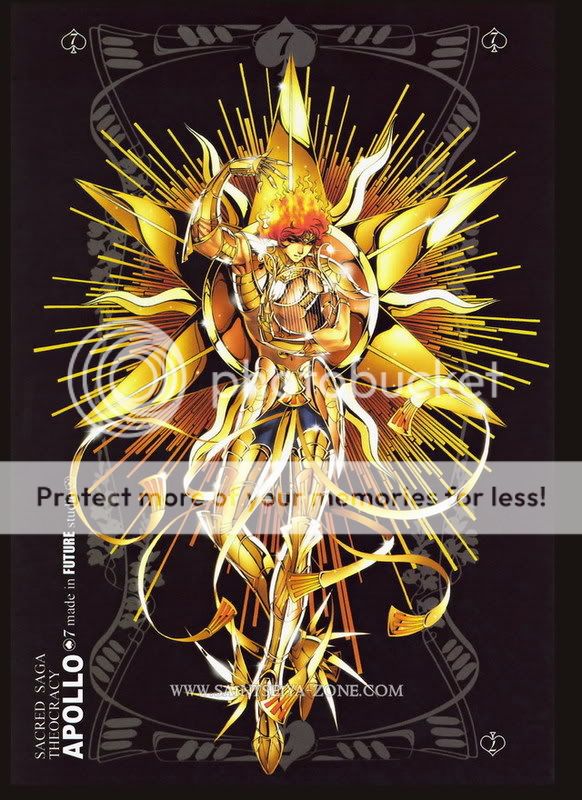
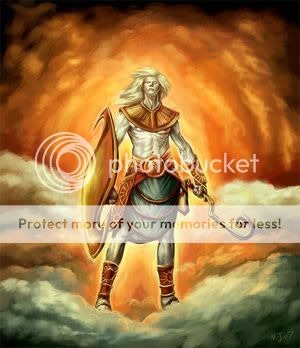
Rp Name: Apollo
Rp Age: around 2500 years old
Gender: Male
Personality: Calm
Height: 5"11
Weight: 145 lbs.
Markings/Tattoos: A Lsun on my upper right cheek
Likes: The Sun, My Sister
Dislikes: Ares
Hobbies: None Really
Favourite Food: Ambrosia
Favourite Drink: Nectar
Least Favourite Food: Human Food
______________________________________________________
Birth Father Zeus
Birth Mother Leto
Family Members: Artemis(Sister) Zeus(Father)
______________________________________________________
God of... The Sun
Powers: A gods average powers, can control the sun, and can make people Do stuff. (lol)
History:
In Greek and Roman mythology, Apollo (in Greek, Ἀπόλλων—Apóllōn or Ἀπέλλων—Apellōn), is one of the most important and diverse of the Olympian deities. The ideal of the kouros (a beardless youth), Apollo has been variously recognized as a god of light and the sun; truth and prophecy; archery; medicine and healing; music, poetry, and the arts; and more. Apollo is the son of Zeus and Leto, and has a twin sister, the chaste huntress Artemis. Apollo is known in Greek-influenced Etruscan mythology as Apulu. Apollo was worshiped in both ancient Greek and Roman religion, as well as in the modern Greco–Roman Neopaganism.
As the patron of Delphi (Pythian Apollo), Apollo was an oracular god — the prophetic deity of the Delphic Oracle. Medicine and healing were associated with Apollo, whether through the god himself or mediated through his son Asclepius, yet Apollo was also seen as a god who could bring ill-health and deadly plague as well as one who had the ability to cure. Amongst the god's custodial charges, Apollo became associated with dominion over colonists, and as the patron defender of herds and flocks. As the leader of the Muses (Apollon Musagetes) and director of their choir, Apollo functioned as the patron god of music and poetry. Hermes created the lyre for him, and the instrument became a common attribute of Apollo. Hymns sung to Apollo were called paeans.
In Hellenistic times, especially during the third century BCE, as Apollo Helios he became identified among Greeks with Helios, god of the sun, and his sister Artemis similarly equated with Selene, goddess of the moon.[1] In Latin texts, on the other hand, Joseph Fontenrose declared himself unable to find any conflation of Apollo with Sol among the Augustan poets of the first century, not even in the conjurations of Aeneas and Latinus in Aeneid XII (161–215).[2] Apollo and Helios/Sol remained separate beings in literary and mythological texts until the third century CE.
Other:
[img]http://i317.photobucket.com/albums/mm391/Kisuke_Urahara_photo/ACT.jpg?t=1269113930[/img]