|
|
|
|
|
|
|

Ammonia Spike Vice Captain
|
 Posted: Thu Mar 10, 2011 7:34 pm Posted: Thu Mar 10, 2011 7:34 pm
Common Clownfish(Amphiprion ocellaris)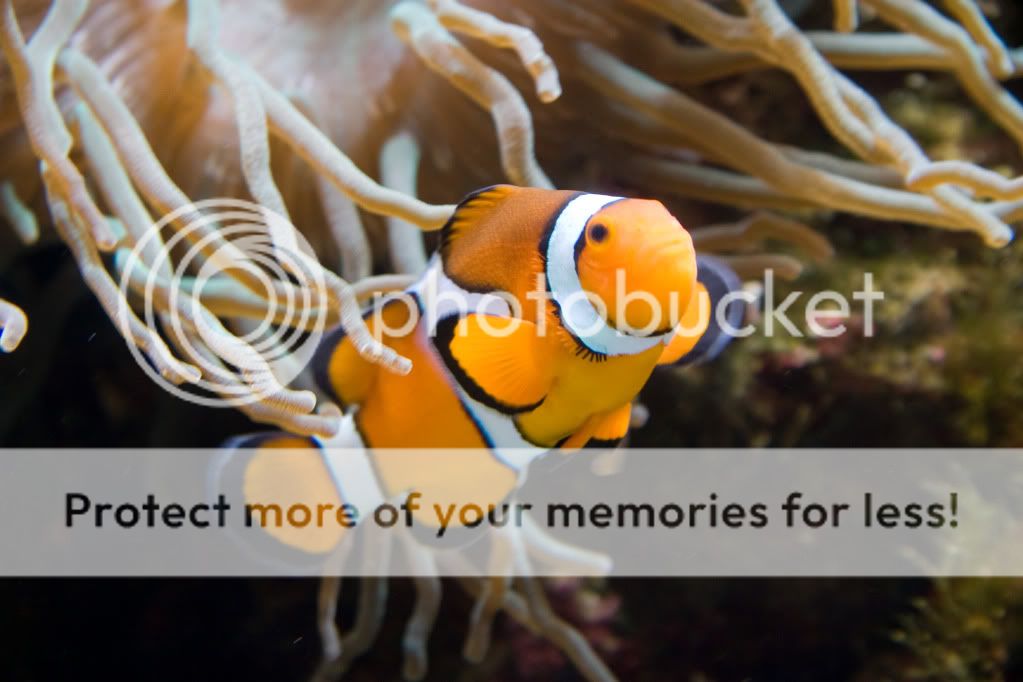
Common clownfish are one of the most widely known and widely kept saltwater fish. They are extremely hardy and are suitable for either a reef or fish-only setup, which makes them an excellent beginner fish.
Size:
Common clowns will grow to about 3.5 inches at most, with females being larger. The smallest reccomended tank size is 20-30 gallons.
Housing:
Clownfish will do well in both a fish-only tank or a reef. They are especially known for their association with anemones. Athough it is not nesessary to have an anemone in the tank, it is reccomended as hosting is a fascinating behavior. Clownfish are not picky about what type of anemone they will host in, although they tend to avoid Condylactis anemones. Some clowns will even host in some types of corals, such as leather or frogspawn corals.
Specific Gravity: 1.023 -1.025
Temperature: 76 - 78 degrees Fahrenheit
Feeding:
Common clownfish are not picky eaters: a varied diet of flake, pellet, frozen brine or mysis shrimp, and algae is ideal.
Compatibility:
Clownfish can sometimes be territorial, but are otherwise good community fish. Small damsels and chromis, gobies and other community reef fish are good tankmates.
Breeding:
Although rearing the fry is difficult, common clownfish have been commercially bred. There are several captive-bred patterns being sold, such as patternless, black, picasso and snowflake varieties.
Clownfish mating behavior is very unusual. All common clowns are born male, and then form pairs. The larger, more dominant fish of the pair will develop into a female.
|
|
|
|
|
|
|
|
|
|
|
|
|
|
|
Posted: Thu Mar 10, 2011 7:36 pm
Maroon Clownfish(Premnas biaculeatus)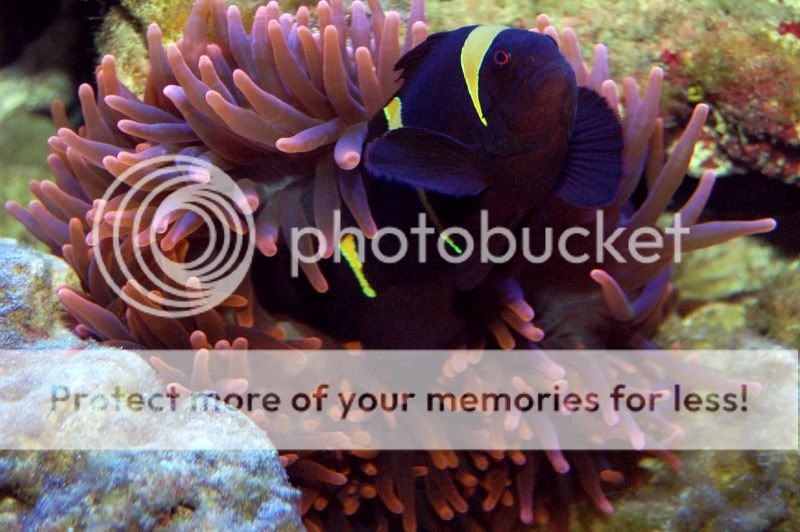
One of the larger and more aggressive clownfish, maroons do well in slightly more aggressive tanks.
Size:
Approximately 6 inches.
Housing:
Maroon clowns are technically reef safe, athough they can occasionally topple rockwork due to their habit of digging in the sand. Athough it is not nesessary to have an anemone in the tank, it is reccomended as hosting is a fascinating behavior. Clownfish are not picky about what type of anemone they will host in, although they tend to avoid Condylactis anemones. Some clowns will even host in some types of corals, such as leather or frogspawn corals.
Specific Gravity: 1.023 -1.025
Temperature: 76 - 78 degrees Fahrenheit
Feeding:
Same as common clowns; larger pellets may be taken.
Compatibility:
Territorial and aggressive. Take care in choosing tankmates.
Breeding:
Maroon clownfish can be more difficult to pair up, but they have been bred in captivity. There are a few different color morphs available, such as a yellow-striped variety.
|
|
|
|
|
|
Ammonia Spike Vice Captain
|
|
|
|
|
|
|
|
|
|
|
|
Posted: Fri Dec 30, 2011 6:48 pm
Common Clownfish are the easiest to breed of saltwater fish actually. The only problem people run into is having the food they need at their certain points of their growing stages.
The lab I work in on my campus has no problem rearing the babies, its just the nutritional factor the adults are facing is halting breeding.
Don't mean to step on toes, that's just from my experience, I'm aiming to do aquaculture and aquarium work for the rest of my life and I've worked with several places and learned various things.
|
|
|
|
|
|
|
|
|
|
|
|
|
|
|
Posted: Wed Jan 18, 2012 12:01 pm
Kalaria Kalathandra Common Clownfish are the easiest to breed of saltwater fish actually. The only problem people run into is having the food they need at their certain points of their growing stages. The lab I work in on my campus has no problem rearing the babies, its just the nutritional factor the adults are facing is halting breeding. Don't mean to step on toes, that's just from my experience, I'm aiming to do aquaculture and aquarium work for the rest of my life and I've worked with several places and learned various things. Hmm, I've always heard that feeding the larvae was the hardest part to breeding them. I'm not arguing that they're not the easiest saltwater fish to breed.
|
|
|
|
|
|
Ammonia Spike Vice Captain
|
|
|
|
|
|
|
|
|
|
|
|
Posted: Sat Jan 21, 2012 12:28 pm
Ammonia Spike Kalaria Kalathandra Common Clownfish are the easiest to breed of saltwater fish actually. The only problem people run into is having the food they need at their certain points of their growing stages. The lab I work in on my campus has no problem rearing the babies, its just the nutritional factor the adults are facing is halting breeding. Don't mean to step on toes, that's just from my experience, I'm aiming to do aquaculture and aquarium work for the rest of my life and I've worked with several places and learned various things. Hmm, I've always heard that feeding the larvae was the hardest part to breeding them. I'm not arguing that they're not the easiest saltwater fish to breed. I hear you. I personally think the hardest is keeping the Rotifers and Artemia alive. The artemia take about 12-24 hours to hatch, so a new batch is constantly done, but rotifers are a pain, if you doing do the daily up keep they should be fine, but they can sometimes crash, and thus no more food for the baby clowns. That's the problem we had in our breeding lab, if someone skipped a day, it caused problems.
|
|
|
|
|
|
|
|
|
|
|
|
|
|
|
|
|
|