Oct. 12, 2006
Sage

Common Name: Sage
Latin Name: Salvia officinalis
Common Uses: In cooking, to flavor foods
In medicine, to ease chest congestion, to increase mental capacity, and to enhance longevity.
In health and beauty, sage tea helps reduce body odor, and cleans teeth well.
In spirituality, to cleanse and purify a person, place or thing.
Originating in the Mediterranean, sage was grown there for it’s strong essential oils and it’s rich flavor in cooking. Brought to America, it now grows in nearly all parts of the nation.
A sub-shrub, sage grows to around 75cm high (around 30 inches) and has thick, tough leaf-stalks, unlike most herbs. It also has a distinctive scent that once you’ve smelled it, you never forget it. With violet or blue flowers, it’s blooming phase is beautiful and helps identify this useful herb.
With a rich flavor well suited to most meat dishes, sage is a culinary must-have- and it’s medical properties are astounding as well.
Coughs, fevers, and many other illnesses have been treated with this versatile herb, but it also has another use- less tested but just as thoroughly used by nations from the Native American through the modern day Wiccan.
Sage is an incredibly popular tool for smudging, used by Native Americans to purify themselves or to drive away demons. It’s still used in this way today, being easy to grow or buy and providing a heady “woodsy” smell to a home as well as it’s purifying benefits.
[Courtesy of the HHG Oct. Newsletter]

Common Name: Sage
Latin Name: Salvia officinalis
Common Uses: In cooking, to flavor foods
In medicine, to ease chest congestion, to increase mental capacity, and to enhance longevity.
In health and beauty, sage tea helps reduce body odor, and cleans teeth well.
In spirituality, to cleanse and purify a person, place or thing.
Originating in the Mediterranean, sage was grown there for it’s strong essential oils and it’s rich flavor in cooking. Brought to America, it now grows in nearly all parts of the nation.
A sub-shrub, sage grows to around 75cm high (around 30 inches) and has thick, tough leaf-stalks, unlike most herbs. It also has a distinctive scent that once you’ve smelled it, you never forget it. With violet or blue flowers, it’s blooming phase is beautiful and helps identify this useful herb.
With a rich flavor well suited to most meat dishes, sage is a culinary must-have- and it’s medical properties are astounding as well.
Quote:
Traditionally associated with longevity, sage has a reputation for restoring failing memory in the elderly. Like other memory-enhancing herbs, it was also planted on graves. It is said that when the British started importing tea from China, the Chinese so valued the herb they would trade two cases of tea for one of dried English sage.
There are several species of the sage herb, each with its own characteristics that make them have different uses.
The leaves and stems are used in cooking for flavoring sausages, pork, sauces, cheese, dressings and stuffing. Sage is also brewed for tea.
Sage herb can be used as an antiseptic and anti-fungal; it improves the digestion, and this is why it is sometimes used with heavy meals. It will also help control diarrhea. The purple variety of S. officinalis is generally used in medicine, and is more effective than the green plant. In China, the root of a related plant, S. miltiorrhiza (dan shen), is used as a tonic herb.
The Artemisa variety is very bitter, great as an insect repellant, and can be sprayed with alcohol after the plant is boiled to let all it's juices out. This variety is not intended for cooking.
LearningInfo.org
There are several species of the sage herb, each with its own characteristics that make them have different uses.
The leaves and stems are used in cooking for flavoring sausages, pork, sauces, cheese, dressings and stuffing. Sage is also brewed for tea.
Sage herb can be used as an antiseptic and anti-fungal; it improves the digestion, and this is why it is sometimes used with heavy meals. It will also help control diarrhea. The purple variety of S. officinalis is generally used in medicine, and is more effective than the green plant. In China, the root of a related plant, S. miltiorrhiza (dan shen), is used as a tonic herb.
The Artemisa variety is very bitter, great as an insect repellant, and can be sprayed with alcohol after the plant is boiled to let all it's juices out. This variety is not intended for cooking.
LearningInfo.org
Coughs, fevers, and many other illnesses have been treated with this versatile herb, but it also has another use- less tested but just as thoroughly used by nations from the Native American through the modern day Wiccan.

Quote:
Many people like to purify by smudging. Sage is a very commonly used smudge. If you can gather and dry your own wild sage for smudging, do so. Just light a sprig of dried sage (You can carry a little tray or saucer under the lit sprig, in case some burning bit drops) and carry it from room to room, visualizing any negativity being replaced by the purifying fragrance of the sage. One can also make a protective sigil at each window and doorway, thus purifying and protecting in one fell swoop!
Herb Magick, Wolf Moon Coven website
Herb Magick, Wolf Moon Coven website
Sage is an incredibly popular tool for smudging, used by Native Americans to purify themselves or to drive away demons. It’s still used in this way today, being easy to grow or buy and providing a heady “woodsy” smell to a home as well as it’s purifying benefits.
[Courtesy of the HHG Oct. Newsletter]
Jan 30 2006
Stinging Nettle
Urtica dioica
(and the small nettle Urtica urens)
- Parts Used: Aerial parts of young plants
Main Uses:General In hair shampoos
Culinary As a vergetable or soup
Medical For arthritis, eczema, and anaemia
Nettles grow wherever land is disturbed by human beings. Although we may curse the nettle for its sting, it is invaluble as a food, rich in vitamins and minerals, and as a medicine. In spring, the fresh green leaves may be cooked and eaten like spinach, made into a delicious soup, or drunk as a tea.
Nettles make a valuble tonic after the long winter months for they provide one of the best sources of minerals. They are an excellent remedy for anaemia- their vitamin C content ensures that the iron they contain is properly absorbed.
Nettle tea increases the excretion of uric acid which may explain why nettles are a remedy for arthritis and gout. Nettles have been applied directly to painful arthritis joints used as a counter-irritant. This fairly heroic treatment is often effective.
Nettles encourage the flor of breast milk and lower blood-sugar levels. They are also a good astringent, effective in stopping bleeding.
Internally they are used for profuse menstruation and externally the powdered leaves used as a snuff will stop minor nosebleeds. A wash is employed for hemmorrhoids. The blood-invigorating properties of stinging nettles make them appropriate for girls at puberty and women at menopause.
Nettles are useful in treating eczema, too. A nettle rinse can eliminate dandruff.
Provided by Kyoki
Jan 30, 2006
Arnica
"---Synonyms---Mountain Tobacco. Leopard's Bane.
---Parts Used---Root, flowers.
---Habitat---Arnica montana or Leopard's Bane is a perennial herb, indigenous to Central Europe, in woods and mountain pastures. It has been found in England and Southern Scotland. but is probably an escape."
---Medicinal Action and Uses---In countries where Arnica is indigenous, it has long been a popular remedy. In the North American colonies the flowers are used in preference to the rhizome. They have a discutient property. The tincture is used for external application to sprains, bruises, and wounds, and as a paint for chilblains when the skin is unbroken. Repeated applications may produce severe inflammation. It is seldom used internally, because of its irritant effect on the stomach. Its action is stimulant and diuretic, and it is chiefly used in low fevers and paralytie affections.
Caution: some people are sensitive to the plant. It can be poiseness to some people! especially if taken internally.
"Growing the plant:
The arnica plant has a bright yellow, daisy-like flower that blooms around July.
The horizontal, dark brown, branched rootstock sends up a slightly hairy, simple or lightly branched stem that reaches a height of 1 to 2 feet. The basal leaves are oblong-ovate and short-petaled the upper leaves are smaller and sessile. Each plant has one to nine large, yellow, daisy-like flowerheads whose rays are notched on the outer tips. The flowers appear from June to August.. Arnica is a perennial that is protected in parts of Europe."
quote from
Arnica is a perennial that grows to a height of 1 to 2 feet with yellow-orange flowers similar to daisies. Stems are round and hairy, ending in one to three flower stalks, with flowers 2 to 3 inches across. Leaves are bright green; the upper surfaces are toothed and slightly hairy while lower leaves have rounded tips. It is native to the mountains of Europe and Siberia, and cultivated
in North America.
If you take the flower and put it into a carrier oil it can help with sore legs, bruising...
it suggests using fresh flowers. there are a couple of ways of extracting the oils from the plant.
tips: buy some idione and boil eveything that you are going to use for the tinture/oil/compress. It is especially good to sterialize your items if your going to be making oil.
for a oil, add 1cup fresh flowers into a blender, use a 1 1/2 cups of oil. turn on blender
if you are going to be storing the plant/oil mixture in a mason jar or any jar with a metal top make sure you place wax paper on top so the metal doesn't change the alkolids of the oil. (its good to do when making any tinture)
shake once a day, for 1 week. strain the flowers with a cheese cloth. squeeze excess oil. place oil into a dark jar.
you can add the oil to others or what have you.
please add if you have more information!!
Provided by mechanistic
"---Synonyms---Mountain Tobacco. Leopard's Bane.
---Parts Used---Root, flowers.
---Habitat---Arnica montana or Leopard's Bane is a perennial herb, indigenous to Central Europe, in woods and mountain pastures. It has been found in England and Southern Scotland. but is probably an escape."
---Medicinal Action and Uses---In countries where Arnica is indigenous, it has long been a popular remedy. In the North American colonies the flowers are used in preference to the rhizome. They have a discutient property. The tincture is used for external application to sprains, bruises, and wounds, and as a paint for chilblains when the skin is unbroken. Repeated applications may produce severe inflammation. It is seldom used internally, because of its irritant effect on the stomach. Its action is stimulant and diuretic, and it is chiefly used in low fevers and paralytie affections.
Caution: some people are sensitive to the plant. It can be poiseness to some people! especially if taken internally.
"Growing the plant:
The arnica plant has a bright yellow, daisy-like flower that blooms around July.
The horizontal, dark brown, branched rootstock sends up a slightly hairy, simple or lightly branched stem that reaches a height of 1 to 2 feet. The basal leaves are oblong-ovate and short-petaled the upper leaves are smaller and sessile. Each plant has one to nine large, yellow, daisy-like flowerheads whose rays are notched on the outer tips. The flowers appear from June to August.. Arnica is a perennial that is protected in parts of Europe."
quote from
Arnica is a perennial that grows to a height of 1 to 2 feet with yellow-orange flowers similar to daisies. Stems are round and hairy, ending in one to three flower stalks, with flowers 2 to 3 inches across. Leaves are bright green; the upper surfaces are toothed and slightly hairy while lower leaves have rounded tips. It is native to the mountains of Europe and Siberia, and cultivated
in North America.
If you take the flower and put it into a carrier oil it can help with sore legs, bruising...
it suggests using fresh flowers. there are a couple of ways of extracting the oils from the plant.
tips: buy some idione and boil eveything that you are going to use for the tinture/oil/compress. It is especially good to sterialize your items if your going to be making oil.
for a oil, add 1cup fresh flowers into a blender, use a 1 1/2 cups of oil. turn on blender
if you are going to be storing the plant/oil mixture in a mason jar or any jar with a metal top make sure you place wax paper on top so the metal doesn't change the alkolids of the oil. (its good to do when making any tinture)
shake once a day, for 1 week. strain the flowers with a cheese cloth. squeeze excess oil. place oil into a dark jar.
you can add the oil to others or what have you.
please add if you have more information!!
Provided by mechanistic
Jan. 22, 2006
Angelica
"---Parts Used---The roots and leaves for medicinal purposes, also the seeds"
Also know as dom quai
"The dried root, as it appears in commerce, is greyish brown and much wrinkled externally, whitish and spongy within and breaks with a starchy fracture, exhibiting shining, resinous spots. The odour is strong and fragrant, and the taste at first sweetish, afterwards warm, aromatic, bitterish and somewhat musky. These properties are extracted by alcohol and less perfectly by water."
quotes botanical herbs
ONLY USE DRIED ROOTS!!! Fresh angelica roots are poisonous. Drying eliminates are all danger. Also do not use withe hypertention, heart disease.
Pregnant women should avoid angelica because of its history as an abortifacient.
How to use it.
You can make a infusion.
Use one teaspoon of the powdered leaves or seeds in a cup or tea pot.
boil a cup of water. Let it steep for 10-15 minutes.
You could also do a infusion with other herbs for painful cramps.
Rose, St. John's Wort, Yarrow, vetiver, fennel, cumin, chamomile
Angelica leafs used to be used in a necklace to as a protection against spells and witch craft.
Always do research on herbs before using them!
Provided by mechanistic
"---Parts Used---The roots and leaves for medicinal purposes, also the seeds"
Also know as dom quai
"The dried root, as it appears in commerce, is greyish brown and much wrinkled externally, whitish and spongy within and breaks with a starchy fracture, exhibiting shining, resinous spots. The odour is strong and fragrant, and the taste at first sweetish, afterwards warm, aromatic, bitterish and somewhat musky. These properties are extracted by alcohol and less perfectly by water."
quotes botanical herbs
ONLY USE DRIED ROOTS!!! Fresh angelica roots are poisonous. Drying eliminates are all danger. Also do not use withe hypertention, heart disease.
Pregnant women should avoid angelica because of its history as an abortifacient.
How to use it.
You can make a infusion.
Use one teaspoon of the powdered leaves or seeds in a cup or tea pot.
boil a cup of water. Let it steep for 10-15 minutes.
You could also do a infusion with other herbs for painful cramps.
Rose, St. John's Wort, Yarrow, vetiver, fennel, cumin, chamomile
Angelica leafs used to be used in a necklace to as a protection against spells and witch craft.
Always do research on herbs before using them!
Provided by mechanistic
Dec. 2, 2005
Peppermint!
Mentha Piperita
Mentha Piperita
Peppermint and its relatives are mostly known as a medicine and popular herbs for infusions; for example, an infusion of green mint is the national beverage in Morocco and Tunisia.
British breeds of green mint are known as spearmint. They are very popular for flavouring cold soups, beverages and meats; together with thyme, spearmint is the most important culinary herb in Britain. Spearmint is the mint to use for the famous and often dreaded (by non-Englishmen) peppermint sauce served to boiled lamb. Today, most spearmint is actually used in the chewing gum industry (doublemint).
Peppermint originated in England, probably due to accidental hybridization. The oldest cultivar known, Black Mitcham, is named after a town near London; its leaves are dark due to anthocyanin pigments. Other varieties of peppermint are free from anthocyanins and are known as white peppermint.
In Britain, as in the rest of Europe, true peppermint is used almost exclusively for confectioneries and sweet liquors, where its cooling and fresh pungency balances the sweetness of the sugar. For all such purposes, the usage of pure essential oil is preferred in order to avoid the astringent to bitter notes of the peppermint leaves. The freshness of peppermint goes extremely well with chocolate flavour. Peppermint ice cream is especially delightful on a hot summer day, making use of the cooling properties of menthol.
Peppermint is much cultivated in many countries of Europe, Western and Central Asia for the production of menthol, which is needed in pharmaceutical preparations. In most of these countries, peppermint entered local cuisine, replacing in part the native mints.
Fresh mint is essential to flavour a celebrated specialty of Carinthia, Austria's most Southern region bordering Italy, whence the art of noodle-making was imported. Kärntner Kasnudeln (meaning loosely Carinthian cheese-stuffed dumplings or Carinthian cheese-pasta) are basically large ravioli-type noodles stuffed with a mixture of cottage cheese, boiled potatoes and fresh herbs. The herb mixture contains chervil and a special Carinthian mint variety with caraway scent which somewhat remembers spearmint. Boiled or steamed Kasnudeln are served with a few drops of molten butter as a snack between meals, or for dinner.
Fresh mint leaves are often used in Turkish cooking together with yoghurt (see garlic for an example); similar concoctions are in use in Lebanon and Israel (see parsley for the Lebanese salad tabbouleh). All over Western Asia, grilled lamb (kabab [كباب]) is flavoured with mint, and dried mint is part of the Georgian spice mixture khmeli-suneli.
Iranian cuisine knows several highly sophisticated recipes employing mint; some of these were later transferred to Northern India, e.g., moghul-style biriyani (see saffron). Unlike the Western Asian foods containing mint, the Persian recipes can, at least for my taste, also be prepared with true peppermint.
In the Far East, mint is also well known. It is chiefly of importance in the countries of the Malaysian peninsular, less so in Indonesia and China. In Thailand, local mint varieties are milder than European peppermint, standing somewhere in between true peppermint and spearmint. Together with other herbs, mainly basil and coriander (cilantro), mint is used in the hot Northern Thai meat salad laab or larb [ลาบ], which is commonly prepared from chicken (then known as laab gai [ลาบไก่]) and served with steamed glutinous rice. Coarsely ground chicken meat is dressed with typical Thai flavourings (fish sauce, lime juice, shallots), a liberal amount of dried red chiles, raw vegetables and fresh greens, including coriander and mint leaves. Dried mint is not suitable for Thai recipes.
Mint is also highly popular in Vietnam, where fresh aromatic leaves are, in any case, essential for the national character of the food and thus served as a garnish to nearly every Vietnamese dish, particularly in the South. The most popular herbs (besides some that are rarely available in the West) for this purpose are coriander, Vietnamese coriander (also known as Vietnamese mint, which is confusing) long coriander, basil and mint. More often, a mild, spearmint- or caraway-scented mint variety (rau hung lui) is preferred to the more pungent, menthol-containing type (rau hung cay); the former is often served with North Vietnamese, Hanoi-type noodle soup (pho bo [phở bò], see Vietnamese cinnamon). See also Vietnamese coriander for further details.
All images and text taken from www.uni-graz.at
Please pardon the copy and paste nature of today's HotW. I've been moving and as such nothing got updated and today I did all this with a migraine, so please excuse it's... laziness. ~Kyoki
Oct. 12, 2005
Garlic
Allium Sativum. L.
1
Allium Sativum. L.
1Description: Garlic is an onion like aromatic plant with hollow, round leaves and umbrella shaped, flowering parts with starry purple flowers. The bulbs are harvested in the summer and stored for use in cooking and to make medicinal products. You can buy garlic bulbs from your local grocery store or natural food store. Garlic is also available as a power or granules, in bulk and in many commercial odor-controlled capsules, either as oil or powder.
Parts Used: Cloves
Uses: Garlic is warming to your digestion and respiratory tract, and is an important antibiotic and anti-viral remedy for colds, flu, bronchitis, pneumonia, and other infections. Consider garlic preparations for protecting the blood and cardiovascular system [against vampires? XD –Kii] With regular use, the herb can help to slightly lower your high blood pressure, reduce high cholesterol, and help prevent atherosclerosis. Garlic is famous for killing and clearing intestinal parasites.
Caution: Avoid the use of garlic if you’re nursing. Raw carlic can sometimes irritate your stomach if you eat too much.
2Varieties of Garlic
Culinary: Used widely, especially in Mediterranean and eastern cuisines, in butters, vinegars, and garlic salt.
Medical: Colds, coughs, to aid digestion, for high blood pressure, arteriosclerosis.
Garlic has been used as a food and medicine since at least the time of the ancient Egyptians. The Greek historian Herodotus tells us that the slaves who built the Great Pyramid ate great quantities of it. Modern science has confirmed many of garlic’s reputed healing properties. Experiments conducted in India show that eating garlic can significantly lower blood cholesterol and other fats. Research at George Washington Unuversity (USA) shows that garlic can also reduce blood clotting, so making it usedful in cardiovascular disease. Since garlic has also been shown to reduce blood pressure in both animals and humans, it is evidently useful in guarding against strokes, which can occur when pressure is raised or the blood clots in the cerebral arteries.
In both World Wars, garlic was applied to wounds to prevent septic poisoning and grangrene. Garlic has also been used successfully to control diarrhea, dysentery, pulmonary TB, diphtheria, whooping cough, typhoid and hepatitis. It is effective against many fungal infections and trichomonas. It can be used to expel worms. Garlic has been shown to lower blood sugar levels, indicating its use in controlling mild diabetes.
Herbalist consider garlic to be a first-rate digestive tonic, and also use it to treat toothache, earache, coughs, and colds(regular intake can prevent colds and reduce excess phlegm.) Garlic’s folk reputation for treating cancer has received scientific support from two Japanese researchers who showed in 1963 that injections of garlic extract killed tumor cells in rats.
3Cultivated Garlic growing in a garden
Information in dark green taken from Herbal Remedies for Dummies, Christopher Hobbs L.Ac.
Information in dark red taken from The New Age Herbalist, Mabey, McIntyre, Michael, Duff, and Stevens.
1. Image taken from www.foodsubs.com
2. Image taken from www.chartingnature.com
3. Image taken from www.uni-graz.at
Provided by Kyoki
October 8, 2005
Echinacea
pronounced [Eek uh knee sh uh]
Uses:
~Colds, coughs and flu and other upper respiratory conditions
~Enlarged lymph glands, sore throat
~Urinary tract infections
~Other minor infections
~May help combat herpes and candida
~Wounds, skin regeneration and skin infections (external use)
~Psoriasis, eczema and inflammatory skin conditions (external use)
History:
Echinacea has a rich tradition of use by North American Plains Indians who used it medicinally more than any other plant. It was prominent in modern American medicine in the early 20th Century, and was discovered by Europeans, who have used it extensively since the 1930s. Today millions of Europeans use echinacea as their primary therapy for colds, flus, infections, and for general immune-boosting effects.
Reccomended methods:
Echinacea root is the part which has been used historically in European and American herbalism. Today nearly all parts of the plant are used, including the root, leaves, flowers, and seeds. Echinacea is available commercially in a number of forms - dried root or herb, liquid extract, powder, capsules and tablets, and creams and gels. Echinacea preparations are approved drugs in European countries. The officially recommended usage levels, and those used in research studies are:
* Liquid extracts (or tinctures): very popular forms for ease of use. May be alcohol- or glycerine-based. Extract strength varies, so following manufacturers' directions is important. Recommended amounts range from one to five droppersful per use (0.5-5 ml.) three times per day.
* Capsules or tablets: may contain root powder or herb. Recommended usage level: 1/2 - 2 g per use three times a day.
* Echinacea tea:. The usage level for root and/or herb brewed as a tea: 1/2 - 2 g per use three times a day.
This information gathered at http://www.herbs.org/greenpapers/echinacea.html
Provided by Malkut
pronounced [Eek uh knee sh uh]
Uses:
~Colds, coughs and flu and other upper respiratory conditions
~Enlarged lymph glands, sore throat
~Urinary tract infections
~Other minor infections
~May help combat herpes and candida
~Wounds, skin regeneration and skin infections (external use)
~Psoriasis, eczema and inflammatory skin conditions (external use)
History:
Echinacea has a rich tradition of use by North American Plains Indians who used it medicinally more than any other plant. It was prominent in modern American medicine in the early 20th Century, and was discovered by Europeans, who have used it extensively since the 1930s. Today millions of Europeans use echinacea as their primary therapy for colds, flus, infections, and for general immune-boosting effects.
Reccomended methods:
Echinacea root is the part which has been used historically in European and American herbalism. Today nearly all parts of the plant are used, including the root, leaves, flowers, and seeds. Echinacea is available commercially in a number of forms - dried root or herb, liquid extract, powder, capsules and tablets, and creams and gels. Echinacea preparations are approved drugs in European countries. The officially recommended usage levels, and those used in research studies are:
* Liquid extracts (or tinctures): very popular forms for ease of use. May be alcohol- or glycerine-based. Extract strength varies, so following manufacturers' directions is important. Recommended amounts range from one to five droppersful per use (0.5-5 ml.) three times per day.
* Capsules or tablets: may contain root powder or herb. Recommended usage level: 1/2 - 2 g per use three times a day.
* Echinacea tea:. The usage level for root and/or herb brewed as a tea: 1/2 - 2 g per use three times a day.
This information gathered at http://www.herbs.org/greenpapers/echinacea.html
Provided by Malkut
September 19, 2005
Ginseng
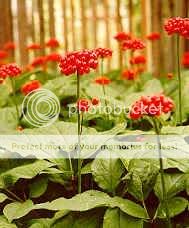
Genus and species - Panax ginseng (Asian), Panax Quinquefolium (American), Eleutherococcus senticosus (Siberian)
There are three types of ginseng. The American and Asian are most similar. The Siberian ginseng, while not really the same thing, is grouped with the other two because it has very similar effects.
The part of ginseng used is it's root, which sometimes resembles a man, hence the Chinese name jen shen - "man root." Ginseng could once be found in the wild in America but due to overcollection it is no longer plentiful.
Ginseng combats fatigue, improves physical stamina by allowing the heart and lungs to work more efficiently, counteracts damage caused by physical and emotional stress, prevents the depletion of stress-fighting adrenal hormones, and enhances memory and immunity. Ginseng has been shown in studies to be useful in the treatment of high blood pressure, diabetes, cancer, emphysema, impotence and low sexual desire, male infertility, liver damage, and appetite loss. It may also help minimize the damage to cells that is caused during radiation therapy. Studies have shown that high doses of ginseng may also help with inflammatory diseases (such as rheumatoid arthritis.)
Some studies of ginseng have shown no benefits at all. This is likely due to adulteration. Because the herb is rare this happens often. A study in the 1980's of 54 ginseng products discovered that 60% were worthless because they contained too little of the herb while 25% contained NO ginseng at all. Ginseng products may also not be beneficial unless they are made from mature roots, which for ginseng plants is after at least 6 years of growth. Sometimes older roots are adulterated with younger, which also reduces the herbs effectiveness. Processing can also reduce the quality and effectiveness of ginseng.
Ginseng should not be taken by people with asthma, cardiac arrhythmia, or fever. People with high blood pressure should be cautious when using ginseng and only take it with doctor consultation. It seems from studies that small amounts of ginseng raise blood pressure while large amounts cause a reduction of blood pressure. Because it has blood thinning properties ginseng also shouldn't be taken by people with clotting problems or on anticoagulants. It should be used cautiously by those with insomnia, fibrocystic breasts, or hay fever. As it's considered an herb for the elderly, it's best that it not be given to children. In Chinese animal studies ginseng has not been shown to cause birth defects when taken by pregnant animals, but pregnant and nursing women should still be wary. It is also suggested that when using high doses of ginseng, a person only take it for 15-20 days and then rest for 2 weeks and that long-term usage be avoided.
Provided by Nemone
Genus and species - Panax ginseng (Asian), Panax Quinquefolium (American), Eleutherococcus senticosus (Siberian)
There are three types of ginseng. The American and Asian are most similar. The Siberian ginseng, while not really the same thing, is grouped with the other two because it has very similar effects.
The part of ginseng used is it's root, which sometimes resembles a man, hence the Chinese name jen shen - "man root." Ginseng could once be found in the wild in America but due to overcollection it is no longer plentiful.
Ginseng combats fatigue, improves physical stamina by allowing the heart and lungs to work more efficiently, counteracts damage caused by physical and emotional stress, prevents the depletion of stress-fighting adrenal hormones, and enhances memory and immunity. Ginseng has been shown in studies to be useful in the treatment of high blood pressure, diabetes, cancer, emphysema, impotence and low sexual desire, male infertility, liver damage, and appetite loss. It may also help minimize the damage to cells that is caused during radiation therapy. Studies have shown that high doses of ginseng may also help with inflammatory diseases (such as rheumatoid arthritis.)
Some studies of ginseng have shown no benefits at all. This is likely due to adulteration. Because the herb is rare this happens often. A study in the 1980's of 54 ginseng products discovered that 60% were worthless because they contained too little of the herb while 25% contained NO ginseng at all. Ginseng products may also not be beneficial unless they are made from mature roots, which for ginseng plants is after at least 6 years of growth. Sometimes older roots are adulterated with younger, which also reduces the herbs effectiveness. Processing can also reduce the quality and effectiveness of ginseng.
Ginseng should not be taken by people with asthma, cardiac arrhythmia, or fever. People with high blood pressure should be cautious when using ginseng and only take it with doctor consultation. It seems from studies that small amounts of ginseng raise blood pressure while large amounts cause a reduction of blood pressure. Because it has blood thinning properties ginseng also shouldn't be taken by people with clotting problems or on anticoagulants. It should be used cautiously by those with insomnia, fibrocystic breasts, or hay fever. As it's considered an herb for the elderly, it's best that it not be given to children. In Chinese animal studies ginseng has not been shown to cause birth defects when taken by pregnant animals, but pregnant and nursing women should still be wary. It is also suggested that when using high doses of ginseng, a person only take it for 15-20 days and then rest for 2 weeks and that long-term usage be avoided.
Provided by Nemone
August 29, 2005
Stevia
I'm afraid my herb of the week this week will be not as organized as the last- but it's still key!
Stevia (Stevia rebaudiana) is an herb known for it's naturally sweet taste- commonly used to take the "gerk" out of teas. A member of the crysanthemum family, it grows as a wild shrub in parts of Paraguay and Brazil.
Mixing in a half teaspoon of stevia gives it the same sweeter taste that mixing in sugar would, without the issues like decay, hyperactivity, or problems for diabetics. Unfortunately, stevia is also the center of a huge controversy as to its safety. Test in Japan have shown it safe for many years, and they use it frequently to flavor diet sodas instead of using artificial sweeteners.
However, those against mass producing stevia to replace sugar state that there is dispute about it's effect on the body in large doses. While in small doses (such as used by responsible people in teas) seem to do no harm, large doses may cause problems with the male reproductive organs in the production of sperm, it may interfere with carb absorbtion, and it also contains a substance that has been converted (in labs) into a cancer causing agent.
But before you decide, keep in mind a few things: First, stevia used in small doses (such as once or twice a day in a cup of tea) is harmless. Second, we being who we are, the whole dried herb is our most common choice for use, and therefore it is much less concentrated.
Stevia can be purchased from most herbal stores, such as Rose Mountain Herbs.
Dried stevia leaf is up to thirty times sweeter than conventional sugar, and refined stevia powder can be 200-300 times sweeter than sugar. (You can use less in baking!)
It's greatest economic potential is as a replacement for artificial sugars like NutraSweet or Sweet and Low.
That's all I have for you today, but do feel free to check out these websites below for more information on this herb.
http://www.cspinet.org/nah/4_00/stevia.html
http://www.healthy.net/hwlibrarybooks/stevia/questions.asp
http://www.newcrops.uq.edu.au/newslett/ncn11161.htm
Provided by Kyoki
I'm afraid my herb of the week this week will be not as organized as the last- but it's still key!
Stevia (Stevia rebaudiana) is an herb known for it's naturally sweet taste- commonly used to take the "gerk" out of teas. A member of the crysanthemum family, it grows as a wild shrub in parts of Paraguay and Brazil.
Mixing in a half teaspoon of stevia gives it the same sweeter taste that mixing in sugar would, without the issues like decay, hyperactivity, or problems for diabetics. Unfortunately, stevia is also the center of a huge controversy as to its safety. Test in Japan have shown it safe for many years, and they use it frequently to flavor diet sodas instead of using artificial sweeteners.
However, those against mass producing stevia to replace sugar state that there is dispute about it's effect on the body in large doses. While in small doses (such as used by responsible people in teas) seem to do no harm, large doses may cause problems with the male reproductive organs in the production of sperm, it may interfere with carb absorbtion, and it also contains a substance that has been converted (in labs) into a cancer causing agent.
But before you decide, keep in mind a few things: First, stevia used in small doses (such as once or twice a day in a cup of tea) is harmless. Second, we being who we are, the whole dried herb is our most common choice for use, and therefore it is much less concentrated.
Stevia can be purchased from most herbal stores, such as Rose Mountain Herbs.
Dried stevia leaf is up to thirty times sweeter than conventional sugar, and refined stevia powder can be 200-300 times sweeter than sugar. (You can use less in baking!)
It's greatest economic potential is as a replacement for artificial sugars like NutraSweet or Sweet and Low.
That's all I have for you today, but do feel free to check out these websites below for more information on this herb.
http://www.cspinet.org/nah/4_00/stevia.html
http://www.healthy.net/hwlibrarybooks/stevia/questions.asp
http://www.newcrops.uq.edu.au/newslett/ncn11161.htm
Provided by Kyoki
Aug. 8, 2005
Tanacetum parthenium
Chrysanthemum parthenium
Feverfew
1
Parts Used: Leaves
Main Uses: Medical- Headaches and migranes, arthritis
Feverfew is one of a handful of medicinal plants to be thoroughly scientifically investigatedIn 1978 several British newspapers carried the story of a woman who had cured her severe migrane headaches with feverfew leaves. In a subsequent clinical study, seven out of ten patients taking feverfew claimed that their migraine attacks were less frequent or less painful, or both. IN about one in three patients, there were no further attacks. Further clinical studies have revealed that the plant can have other medicinal benefits, apparently allaying nausea and vomiting, relieving the inflammation and pain of arthritis, promoting restful sleep, improving digestion, and relieving asthma attacks. Researchers believe that sesquiterpene lactones in the plant may inhibit protaglandins and histamine released during the inflammatory process, so prefenting spasms of blood vessels in the head that trigger migraine attacks. [Kii's Note: I think that means that it stops certain chemicals from triggering attacks.] Over half the feverfew users involved in clinical studies reported pleasant side effects. Some said that feverfew heldped their depression. This is in line wiht traditional use. Culpeper wrote that feverfew in wine might help those "troubled with melancholy and heaviness or sadness of spirits."
CAUTION: one side effect associated with feverfew is mouth ulcers. If this occurs, stop taking the herb.2
1: Image taken from: noahwebsterhouse.org
2: Text taken from The New Age Herbalist copyright Gaia Books Ltd, London
Provided by Kyoki
Chrysanthemum parthenium
Feverfew
1Parts Used: Leaves
Main Uses: Medical- Headaches and migranes, arthritis
Feverfew is one of a handful of medicinal plants to be thoroughly scientifically investigatedIn 1978 several British newspapers carried the story of a woman who had cured her severe migrane headaches with feverfew leaves. In a subsequent clinical study, seven out of ten patients taking feverfew claimed that their migraine attacks were less frequent or less painful, or both. IN about one in three patients, there were no further attacks. Further clinical studies have revealed that the plant can have other medicinal benefits, apparently allaying nausea and vomiting, relieving the inflammation and pain of arthritis, promoting restful sleep, improving digestion, and relieving asthma attacks. Researchers believe that sesquiterpene lactones in the plant may inhibit protaglandins and histamine released during the inflammatory process, so prefenting spasms of blood vessels in the head that trigger migraine attacks. [Kii's Note: I think that means that it stops certain chemicals from triggering attacks.] Over half the feverfew users involved in clinical studies reported pleasant side effects. Some said that feverfew heldped their depression. This is in line wiht traditional use. Culpeper wrote that feverfew in wine might help those "troubled with melancholy and heaviness or sadness of spirits."
CAUTION: one side effect associated with feverfew is mouth ulcers. If this occurs, stop taking the herb.2
1: Image taken from: noahwebsterhouse.org
2: Text taken from The New Age Herbalist copyright Gaia Books Ltd, London
Provided by Kyoki
August 1, 2005
This week's herb is Aloe Vera, a common succulant plant.
1
Aloe Vera
Aloe Barbadensis, or first-aid plant and medicine plant.
Parts Used: Bitter juice and gel
Main uses: Medical- for burns, cuts, and wounds
Aloe yields two distinct medicinal substances. The juice (drug aloe), which is obtained by cutting the leaves at their base, and a gel extracted by breaking the leaves themselves. The juice is a powerful cathartic (an agent used to purge the system; a strong laxative), which is hardly suitable for medicinal use. (DO NOT USE THE JUICE except under strict medical supervision!)
The gel, on the other hand, is one of the most remarkable healing substances known. Applied locally, it encourages skin regeneration and may be used directly on burns, cuts, and wounds. It also has emollient (softening and soothing) properties. The gel is now available commercially, but harsh solvents used in its extraction and frequent adulteration make many of these products unreliable. But, aloe is very easy to grow as a houseplant.2
3
Aloe leaf with the outer skin cut back. The gel inside is used for medicinal purposes.
The best way to make use of the healing powers of this plant is to grow one on a sunny window-sill. You can then break off a leaf and rub the inner pulp directly onto the skin to relieve sunburn or poison ivy. If you cannot obtain a plant, try some commercially available creams and ointments containing aloe vera gel. These vary in quality, however- some are adulterated and harsh solvents may have been used in the extraction of the gel, so take advice from a medical herbalist if you are unsure.2
4
An aloe plant at maturity, with its fruits and stalk grown.
Footnotes:
1: Image taken from http://www.aloevera-pro.de
2: Text taken from The New Age Herbalist copyright Gaia Books Ltd, London
3: Image taken from http://www.dama.cz
4: Image taken from http://www.botany.hawaii.edu
Provided by Kyoki
1Aloe Vera
Aloe Barbadensis, or first-aid plant and medicine plant.
Parts Used: Bitter juice and gel
Main uses: Medical- for burns, cuts, and wounds
Aloe yields two distinct medicinal substances. The juice (drug aloe), which is obtained by cutting the leaves at their base, and a gel extracted by breaking the leaves themselves. The juice is a powerful cathartic (an agent used to purge the system; a strong laxative), which is hardly suitable for medicinal use. (DO NOT USE THE JUICE except under strict medical supervision!)
The gel, on the other hand, is one of the most remarkable healing substances known. Applied locally, it encourages skin regeneration and may be used directly on burns, cuts, and wounds. It also has emollient (softening and soothing) properties. The gel is now available commercially, but harsh solvents used in its extraction and frequent adulteration make many of these products unreliable. But, aloe is very easy to grow as a houseplant.2
3Aloe leaf with the outer skin cut back. The gel inside is used for medicinal purposes.
The best way to make use of the healing powers of this plant is to grow one on a sunny window-sill. You can then break off a leaf and rub the inner pulp directly onto the skin to relieve sunburn or poison ivy. If you cannot obtain a plant, try some commercially available creams and ointments containing aloe vera gel. These vary in quality, however- some are adulterated and harsh solvents may have been used in the extraction of the gel, so take advice from a medical herbalist if you are unsure.2
4An aloe plant at maturity, with its fruits and stalk grown.
Footnotes:
1: Image taken from http://www.aloevera-pro.de
2: Text taken from The New Age Herbalist copyright Gaia Books Ltd, London
3: Image taken from http://www.dama.cz
4: Image taken from http://www.botany.hawaii.edu
Provided by Kyoki
July 25 2005
The herb of the week is... surprise! APPLES. Most people don't generally think of apples as being herbs but they have some great benefits for the human body. Apples contain antioxidant flavanoids as well as pectin, a kind of fiber. Pectin is actually the same thing as the pectate found in Kaopectate, which helps with diarrhea. Like all fibers, pectin also offers the following benefits as according to the Prescription for Nutritional Healing by Phyllis A. Balch [CNC] and James F. Balch [M.D.] "...fiber helps to lower blood cholesterol levels and stabilize blood sugar levels. It helps prevent colon cancer, constipation, hemorrhoids, obesity, and many other disorders." Like other kinds of fiber, apples are also of use in fighting the effects of pollution on the human body by removing some types of toxic metals. In The New Healing Herbs by Michael Castleman, the author states. "European studies suggest that apple pectin helps eliminate lead, mercury, and other toxic heavy metals from the body."
In addition to the fruit, the leaves of the apple are also useful. They contain a substance known as phloretin, an antibiotic which can be used on external wounds. The seeds of apples are NOT healthy. Apple seeds contain a small amount of Cyanide. About a half a cup of seeds is enough to kill an adult. So remember to eat your apple a day, but skip the seeds.
Provided by Nemone
In addition to the fruit, the leaves of the apple are also useful. They contain a substance known as phloretin, an antibiotic which can be used on external wounds. The seeds of apples are NOT healthy. Apple seeds contain a small amount of Cyanide. About a half a cup of seeds is enough to kill an adult. So remember to eat your apple a day, but skip the seeds.
Provided by Nemone
Edited to include each weeks herb. Original post by Nemone- Herb of the Week for July 25, 2005